The Power of Marketing Analytics and Reporting: Turning Data Into Growth
Unlock the value of your marketing data with actionable analytics and clear reporting. This post explores the essentials of marketing analytics, key metrics to track, and how professional reporting drives smarter decisions and business growth. Perfect for businesses seeking a data-driven edge in their marketing strategy.
ANALYTICS AND REPORTING
12/12/20251 min read
The Power of Marketing Analytics and Reporting: Turning Data Into Growth
Marketing analytics and reporting are essential for businesses that want to make smarter decisions and achieve real growth. By measuring what matters and understanding the story behind the numbers, companies can refine their strategies, optimize budgets, and improve results.
What Is Marketing Analytics?
Marketing analytics is the process of collecting, measuring, and analyzing data from your marketing campaigns. This includes website traffic, lead generation, email performance, social media engagement, and more. The goal is to understand what is working, what needs improvement, and where to focus your efforts for the highest return.
Why Is Reporting Important?
Reporting turns raw data into clear insights. Regular reports help you:
Track progress toward your goals
Identify trends and opportunities
Spot issues before they become problems
Prove the value of your marketing investments
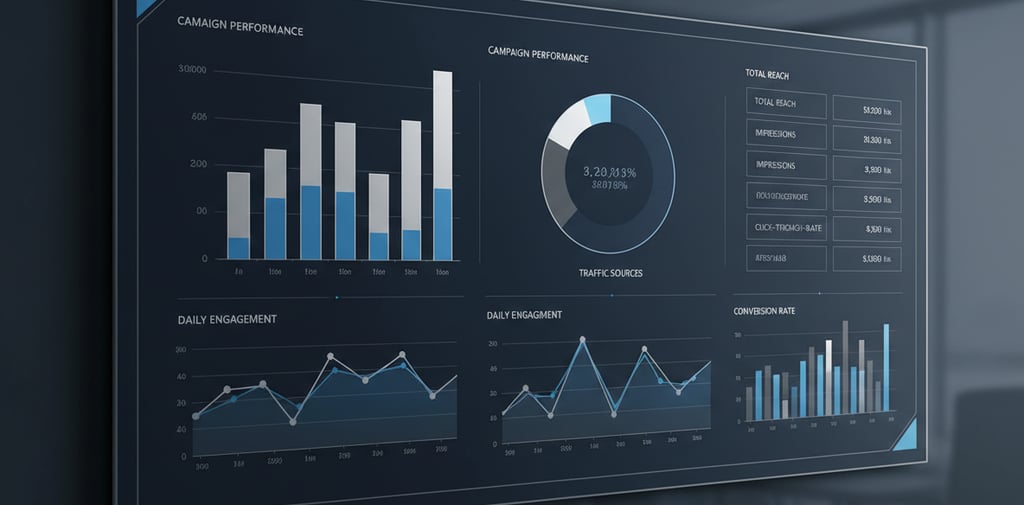
Clear, visual reports make it easy for teams and stakeholders to stay aligned and make informed decisions.
Key Metrics to Track
Not all data is equally valuable. Focus on these key metrics:
Website traffic and user behavior
Conversion rates and lead quality
Cost per acquisition (CPA)
Return on ad spend (ROAS)
Engagement rates across channels
By monitoring these metrics, you can see which campaigns drive results and which need adjustment.
Building a Data-Driven Culture
A data-driven approach empowers your marketing team to act confidently. Encourage regular reviews of analytics and foster a culture of continuous improvement. Use tools like Zoho, Apollo, and Google Drive to centralize data and streamline reporting.
Final Thoughts
Marketing analytics and reporting are not just about numbers—they are about making smarter choices that drive growth. By focusing on the right metrics and sharing clear reports, your business can stay ahead of the competition and maximize every marketing dollar.
Contact
Reach out to start growing your business
Phone
Info@knightmarketingfirm.com
239-989-2981
© 2025 Knight Marketing Firm. All rights reserved.